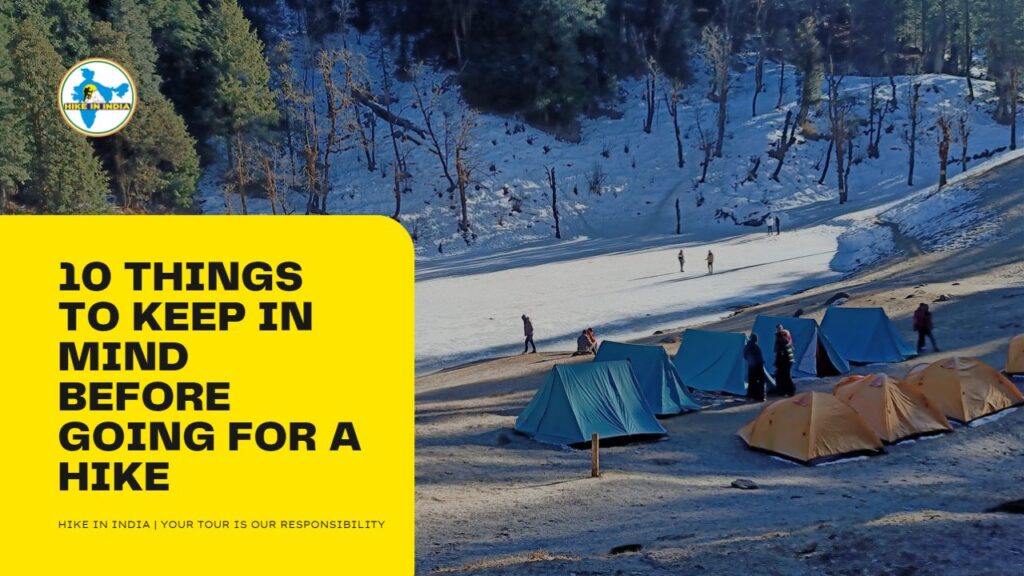
Prepare for your first Himalayan Trek

A Himalayan trek is not just a journey through mountains, it is an experience that transforms you. The crisp air, snow-covered peaks, pine forests, and high-altitude trails offer a mix of thrill and peace. But if you’re planning your first trek, proper preparation is extremely important. The Himalayas are beautiful, but they also demand respect.
This guide will help you to prepare for your first Himalayan Trek step-by-step so your experience will be safe, enjoyable, and unforgettable.
Choose the Right Trek for Beginners
Your first trek should match your fitness and comfort level. Start with easy to moderate trails that offer beautiful landscapes without pushing you too hard.
Top beginner-friendly treks in India:
Uttarakhand:
- Nag Tibba Trek
- Deoriatal Chandrashila Trek
- KedarKantha Trek
- Dayara Bugyal
Himachal Pradesh:
- Triund Trek
- Bijli Mahadev Trek
A well-chosen trek boosts your confidence and prepares you for more challenging adventures later.
Start a Basic Fitness Plan (4-6 Weeks Before)
Good fitness doesn’t mean lifting heavy weights. Trek fitness means stamina, leg strength, and controlled breathing.
Cardio Training
Do any of the following 30-45 minutes daily:
- Brisk walking
- Jogging
- Cycling
- Stair climbing
Focus on building endurance rather than speed.
Leg Strengthening
3-4 days a week:
- Squats
- Lunges
- Step-ups
- Wall sits
Breathing Exercises
The Himalayas have thinner air.
Practice:
- Deep breathing
- Anulom-Vilom
- Belly breathing
It helps you adjust better at higher altitudes.
Pack the Right Gear
Choosing the correct gear ensures safety and comfort in changing mountain weather.
Trekking Essentials:
- A comfortable backpack (40-50L) with rain cover
- Good trekking shoes with ankle support (Waterproof Recommended – specially for snow treks)
- Warm layers fleece, thermals, down jacket
- Waterproof jacket and pants
- Cap, gloves, and wool socks
- Headlamp
- Reusable water bottle (1-2L)
Medical & Personal Items
- Basic first aid (Take your personal medicines, else we’ll keep)
- ORS
- Sunscreen
- Lip balm
- Toiletries
Pack light but smart. Every extra kg feels heavier at altitude.
Stay Hydrated and Eat Right
Hydration is one of the biggest secrets to an easy trek.
- Drink water regularly
- Add ORS during long climbs
- Avoid alcohol before and during the trek
- Eat light meals rich in carbs for energy
Your body needs steady fuel to keep going.
Acclimatization is Important
The Himalayas are high-altitude zones, Let your body adjust slowly.
- Walk at a comfortable pace
- Take short water breaks
- Avoid running or pushing too hard
- Keep warm
- Inform your guide if you feel headache, nausea, or dizziness
Proper acclimatization prevents altitude sickness.
Follow Trekking Etiquette
Respect the mountains and fellow trekkers.
- Stay with the group
- Don’t litter
- Listen to your Trek Leader or guide
- Don’t disturb wildlife
- Keep noise low inside forests
Responsible trekking keeps the Himalayas beautiful.
Mental Preparation Matters Too
The mountain environment is unpredictable. Cold winds, long walks, and steep climbs can test your patience. So
- Stay positive
- Keep a steady pace
- Enjoy the journey, not just the destination
Your mindset is your biggest strength.
Conclusion
Your first Himalayan trek should be filled with excitement, not stress. Preparing well physically, mentally, and logistically ensures you enjoy the mountains without discomfort. With the right mindset and basic training, you’ll be ready to explore higher trails in the future. If you’re new to trekking, going with a trustworthy team can make your first Himalayan experience smooth and memorable.
F.A.Q
You should be able to walk 5-6 km daily and climb stairs without getting exhausted. A month of basic cardio and leg exercises is enough for beginners.
Carry trekking shoes, warm layers, waterproof clothing, a backpack, toiletries, personal medicines and a reusable water bottle. Avoid overpacking.
Yes, but choose easy to moderate treks first. Proper acclimatization and steady walking are important.
Overpacking, not training, wearing new shoes on trek day, ignoring water intake, and rushing the climb.
It is safer to join a certified trekking group or organiser, especially for your first trek. They provide guidance, support, and route safety.