
Hiking Footwear Guide
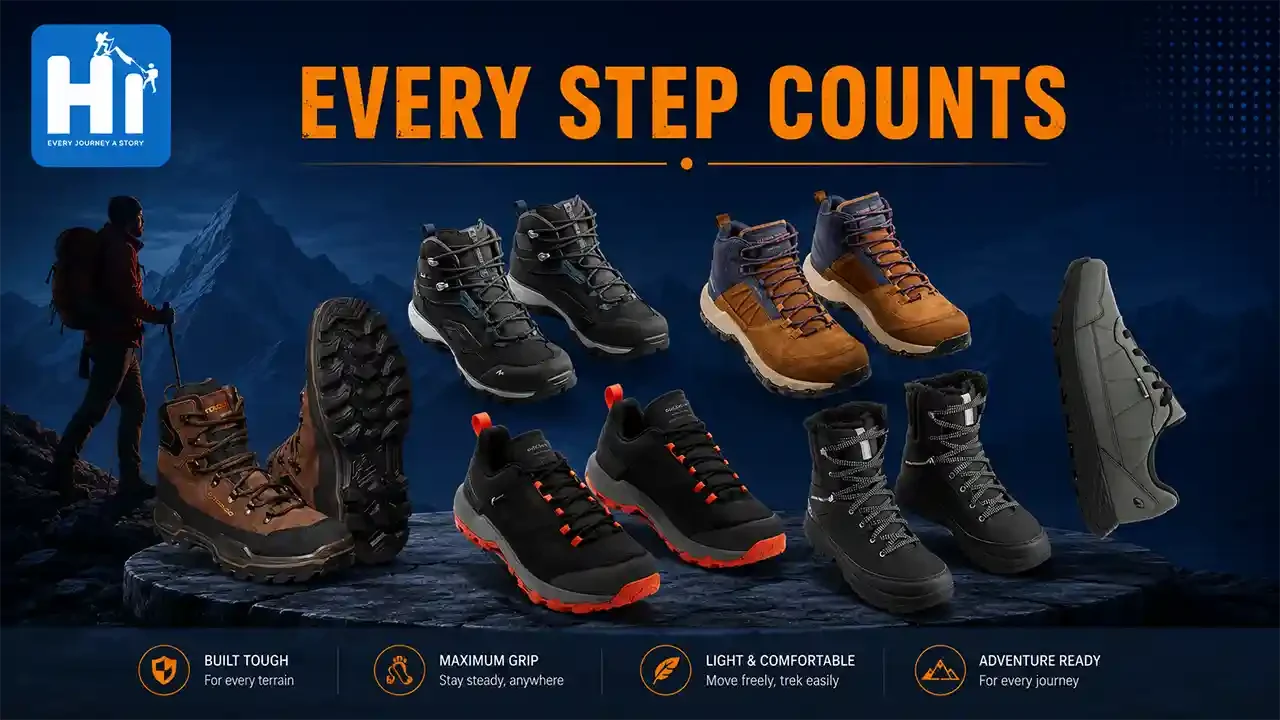

Your shoes decide whether you finish the trek at all. Blisters, twisted ankles, and numb toes are rarely “bad luck”. They are almost always a shoe problem – wrong type for the terrain, wrong size or shoes worn for the first time on the trail instead of broken in beforehand.
Terrain and season decide which category you need here, not your personal preference. A shoe built for a gentle monsoon trail will not protect your ankle on loose scree and a heavy snow boot feels like carrying bricks on an easy summer trek. Below are the categories that actually matter, along with how to size correctly when you cannot try the shoe on before you buy.
If your budget allows only one pair, skip the first category and go with waterproof mid-cut trekking shoes. They cover the widest range of Himalayan terrain without the weight of full boots, making them the safest all-round choice if you can’t invest in separate shoes for every type of trek. If you’re buying just one pair, make sure it’s waterproof. Carry a pair of sandals or Crocs as well, as wearing the same shoes all day, even around camp in the evening, can quickly turn small blisters into a serious problem.
Best Trekking & Hiking Footwear Guide
Low Cut Shoes
For easier, well-marked trails with stable footing, forest paths, and gentle gradients, such as Nag Tibba or Deoriatal in good weather, low-cut trekking shoes are an excellent choice. They are lighter, more breathable, and allow your ankles to move naturally, which makes a bigger difference than most people expect on long hikes where stiff boots only add fatigue.
However, they won’t provide enough protection on loose rocks or uneven, ankle-twisting terrain. If your trek involves scree, snow, or river crossings, this is not the category you should choose.
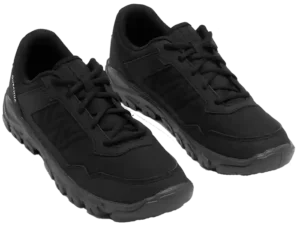
We recommend these boots only for occasional hikers planning one or two easy treks in dry weather. For regular Himalayan trekking, monsoon hikes, or rocky terrain, a waterproof mid-cut trekking shoe is a much better long-term investment. If you’re simply looking for a comfortable and lightweight boot for everyday outdoor use, nature walks, or weekend outings, the NH50 is still a solid budget-friendly choice.
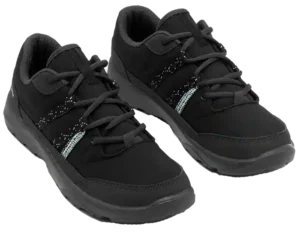
These women’s hiking shoes are a good choice if you’re planning one or two easy treks in dry weather or simply want a comfortable pair for nature walks and everyday outdoor use. However, if you expect to trek regularly, especially in the Himalayas or during the monsoon, we recommend investing in a waterproof mid-cut trekking shoe instead. It will provide better support, protection, and long-term value.
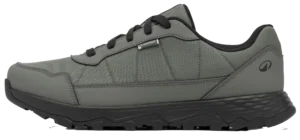
Best suited for easy hikes, forest trails, and nature walks, the NH100 Waterproof Boots offer a comfortable fit, reliable grip, and waterproof protection for light rain. They’re ideal for beginners and occasional hikers but aren’t built for challenging Himalayan treks.
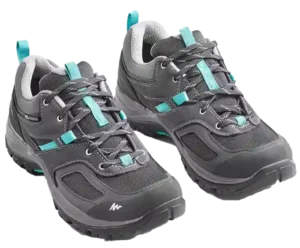
If you’re looking for one reliable pair of trekking shoes for regular Himalayan adventures, these waterproof shoes are an excellent investment. They combine all-day comfort, dependable grip and waterproof protection, making them suitable for everything from weekend hikes to moderate mountain treks. While they aren’t designed for expedition-level climbs or deep winter conditions, they comfortably handle most Himalayan trails throughout the year.
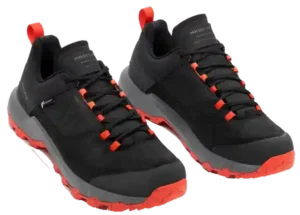
A great choice for regular hikers, these waterproof trekking shoes offer excellent comfort, reliable grip, and solid foot protection. With a cushioned sole, waterproof construction, and a rubber toe guard, they’re ideal for moderate Himalayan treks, forest trails, and long day hikes.
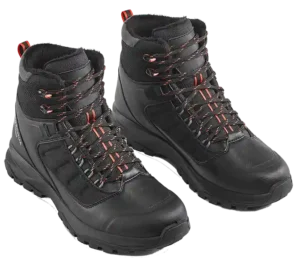
These insulated winter trekking boots are an excellent choice for easy to moderate Himalayan snow treks. They keep your feet warm, dry, and stable with reliable waterproofing and excellent traction on snowy trails.
Mid-Cut or Mid-Ankle Trekking Shoes
This is the category that most of our clients actually need. Mid-cut trekking shoes extend just above the ankle bone, providing enough support to help prevent ankle rolls on uneven, rocky terrain without the weight and stiffness of full boots. Treks like Har Ki Dun, Ranthan Kharak, and Kuari Pass fall comfortably into this category.
If you’re unsure which category your trek requires, this is usually the safest choice. It covers most Himalayan terrain without forcing you to carry the extra weight of full boots when you don’t actually need them.
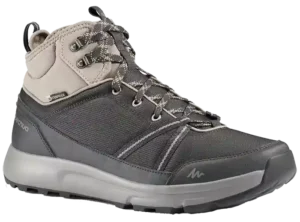
Perfect for beginners, these waterproof hiking shoes provide a comfortable fit, dependable grip, and protection from light rain on easy trails and forest paths. They’re an excellent budget-friendly option for day hikes and weekend adventures, although they’re not intended for demanding Himalayan treks or technical terrain.
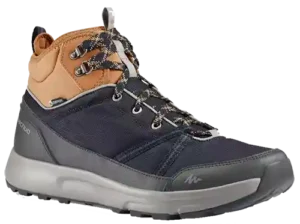
These shoes are ideal for easy hiking trails, nature walks, and beginner-friendly treks in dry or mildly wet conditions. They provide good grip on slightly uneven terrain and enough comfort for day hikes. However, they aren’t designed for rugged Himalayan trails, heavy snow, or technical mountain terrain.
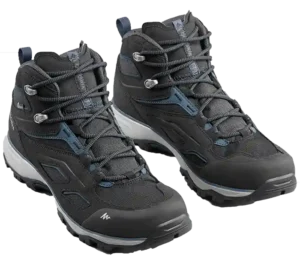
Designed for easy to moderate Himalayan treks, these waterproof mid-cut trekking shoes offer the perfect balance of ankle support, comfort, and flexibility. They provide reliable grip on uneven trails while keeping your feet dry in wet conditions, making them an excellent choice for trekkers who want one versatile pair for most adventures.
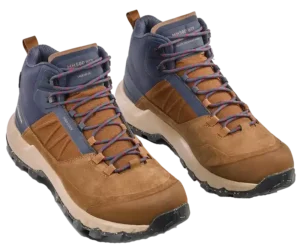
Ideal for day hikes and easy to moderate Himalayan treks, these mid-cut trekking shoes provide dependable ankle support, excellent grip, and reliable protection on uneven trails. The reinforced rubber toe guard helps shield your feet from rocks and trail debris, while the comfortable design makes them suitable for long days on the mountain
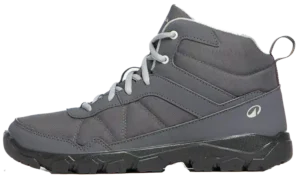
These women’s hiking shoes are perfect for beginners looking for a lightweight and comfortable option for short hikes, nature walks, and easy trails in dry conditions. If you’re planning only one or two beginner-friendly treks, they’re a worthwhile budget choice. However, if trekking becomes a regular hobby or you plan to explore the Himalayas, investing in a waterproof mid-cut trekking shoe will provide better support, durability, and long-term value.
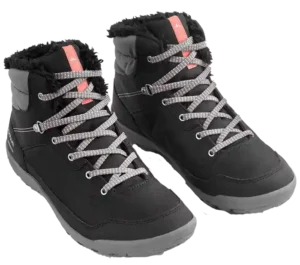
These winter hiking shoes are a good choice for beginners planning occasional walks or easy hikes on packed snow. Their waterproof construction, warm insulation, and high-grip outsole provide the comfort and confidence needed for cold-weather adventures. However, if you’re heading on a challenging Himalayan winter trek with deep snow or technical terrain, you’ll be better off choosing insulated high-cut trekking boots designed for harsher conditions.
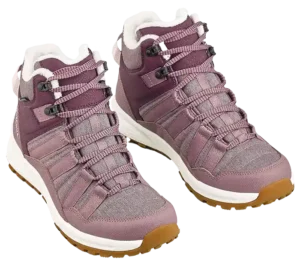
These waterproof insulated winter shoes are a great choice for easy to moderate snow treks during the winter season. They provide reliable warmth, waterproof protection, and good grip on packed snow, while remaining comfortable enough for everyday winter wear and travel.
High-Cut Trekking Boots
Built for snow, technical terrain and multi-day treks where ankle protection is essential, This category is ideal for heavy snow treks, such as Kedarkantha in peak winter. The higher cut and stiffer sole provide better ankle support while helping to keep cold from seeping in through the sole.
These boots are heavier and require a proper break-in period. Wearing them straight out of the box on a difficult trek is a common and painful mistake. Give yourself at least two to three weeks of regular use before your trek to ensure they fit comfortably and prevent blisters.
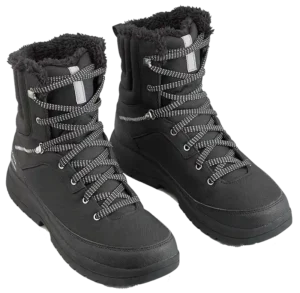
Built for winter trekking, these waterproof high-cut boots keep your feet warm, dry, and well supported on snow-covered trails. They are an excellent option for beginners tackling easy to moderate Himalayan snow treks, offering dependable comfort, insulation, and grip in cold-weather conditions.
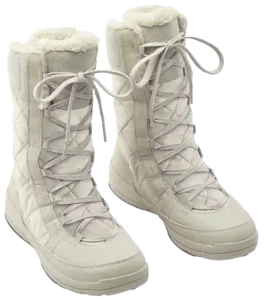
These women’s insulated waterproof boots are a great choice for winter travel and easy to moderate snow treks. They provide reliable warmth, waterproof protection, and all-day comfort in cold conditions. Suitable for treks like Kedarkantha in normal snow conditions, but for technical winter expeditions or deep snow, dedicated insulated trekking boots are the better option.
Camp Sandals & Slippers
Not optional if you are camping overnight. After eight hours in trekking shoes, your feet need to breathe, and walking around camp in the same sweaty shoes all evening is how blisters turn into infections. A light pair of sandals, easy to pack and quick to slip on, changes the entire evening at camp.
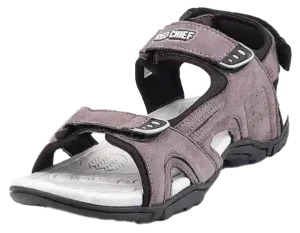
These lightweight hiking sandals are designed for all-day comfort with a soft inner lining and an adjustable Velcro strap for a secure fit. The durable PU upper and grippy outsole provide reliable traction on easy trails, campsites, and everyday outdoor use. They’re a budget-friendly choice for casual hikes, but not recommended for challenging Himalayan treks or technical terrain.
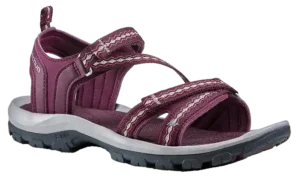
Perfect for casual hikes and summer adventures, these hiking sandals provide good grip and all-day comfort on easy trails. They’re also ideal as camp footwear or for stream crossings during Himalayan treks, but shouldn’t replace trekking shoes on challenging terrain.
Trekking Socks
One of the most underrated items on any trek. Cotton socks trap moisture against your skin, and wet feet develop blisters quickly, no matter how good your shoes are. Wool or synthetic trekking socks wick moisture away, regulate temperature, and cushion pressure points before they turn into painful blisters.
Carry at least two pairs: one to wear and one dry pair as a backup in case the first gets wet during a stream crossing or after a long, sweaty day on the trail.
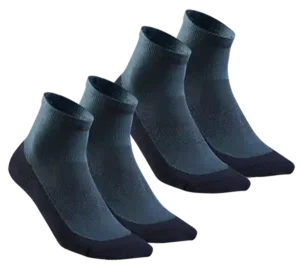
If you only trek occasionally or stick to shorter hikes, these budget-friendly socks are an excellent choice. For winter treks or multi-day Himalayan adventures, thermal or Merino wool socks are recommended. Each pack contains two pairs in the same colour.
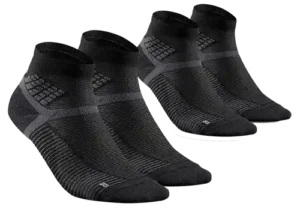
These breathable and durable hiking socks help reduce friction inside your shoes, improving comfort and reducing the risk of blisters on easy to moderate treks.
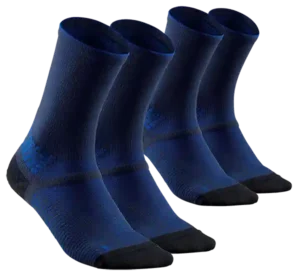
These breathable and durable hiking socks help reduce friction inside your shoes, improving comfort and lowering the risk of blisters on long hikes and treks.
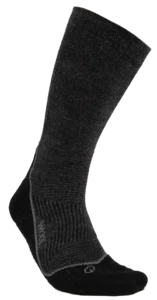
These premium 40% Merino wool trekking socks offer superior comfort, temperature regulation, moisture management, and odour resistance. A great investment for regular trekkers and multi-day Himalayan adventures.
Gaiters
Gaiters are worn over your trekking shoes and lower legs to create a protective barrier against snow, rain, mud, and trail debris. They keep your feet dry, prevent snow from entering your boots, and help your trousers stay clean and dry. While they’re not essential for every trek, they’re highly recommended for snow treks, monsoon hikes, and muddy trails.
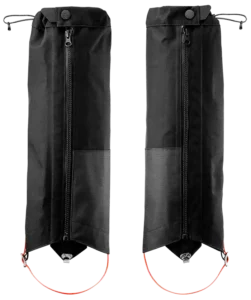
Our Hike in India snow trek packages already include gaiters, so our clients don’t need to purchase them separately. However, if you’re trekking solo in the snow, they’re highly recommended. They keep snow, water, and debris out of your boots while helping your feet and lower legs stay dry and comfortable throughout the trek.
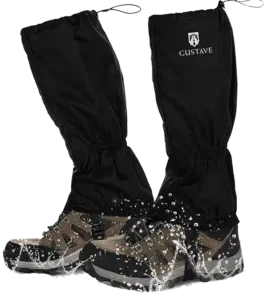
If you don’t want to spend much on premium gaiters, these budget-friendly gaiters are a practical choice for occasional snow treks and monsoon hikes. They offer good protection against snow, mud, rain, and trail debris while staying securely in place with adjustable straps. For most beginners, they provide excellent value for money.
Sizing and Fit - Since You Are Ordering Online
Feet naturally swell on the trail, often by up to half a size after a long day of trekking. Choose trekking shoes that are about half a size larger than your regular footwear. Also consider the thickness of your socks. If you plan to wear thick trekking socks, allow a little extra room rather than choosing a snug fit that only works with thin socks.
Never wear brand-new shoes on your trek. Break them in by wearing them around the house and on short walks for at least two to three weeks beforehand. More often than not, blisters are caused by poorly broken-in shoes rather than poor-quality shoes.
If you’re ordering online, always check the return or exchange policy before purchasing. Once your shoes arrive, wear them around the house for a few hours to make sure they fit properly. If they still don’t feel right, exchange them instead of trying to make the wrong size work on the trail.
Common Mistakes to Avoid
- Buying shoes the week before the trek and wearing them for the first time on the trail
- Choosing your exact regular size instead of sizing up for sock thickness and foot swelling
- Picking based on looks rather than the terrain your specific trek involves
- Wearing regular cotton socks instead of proper trekking socks
- Skipping camp sandals, then spending every evening in sweaty trekking shoes
Still not sure which category your trek needs?
Every trail has different terrain and different demands on your feet. Connect with us on WhatsApp and we will tell you exactly what to look for based on your specific trek.
Chat With Us on WhatsApp
This page contains affiliate links. If you purchase through them, we may earn a small commission at no extra cost to you.